Why Local Dealers Fail on Critical Parts And What to Do Instead
- mash-link
- 13 апр.
- 4 мин. чтения
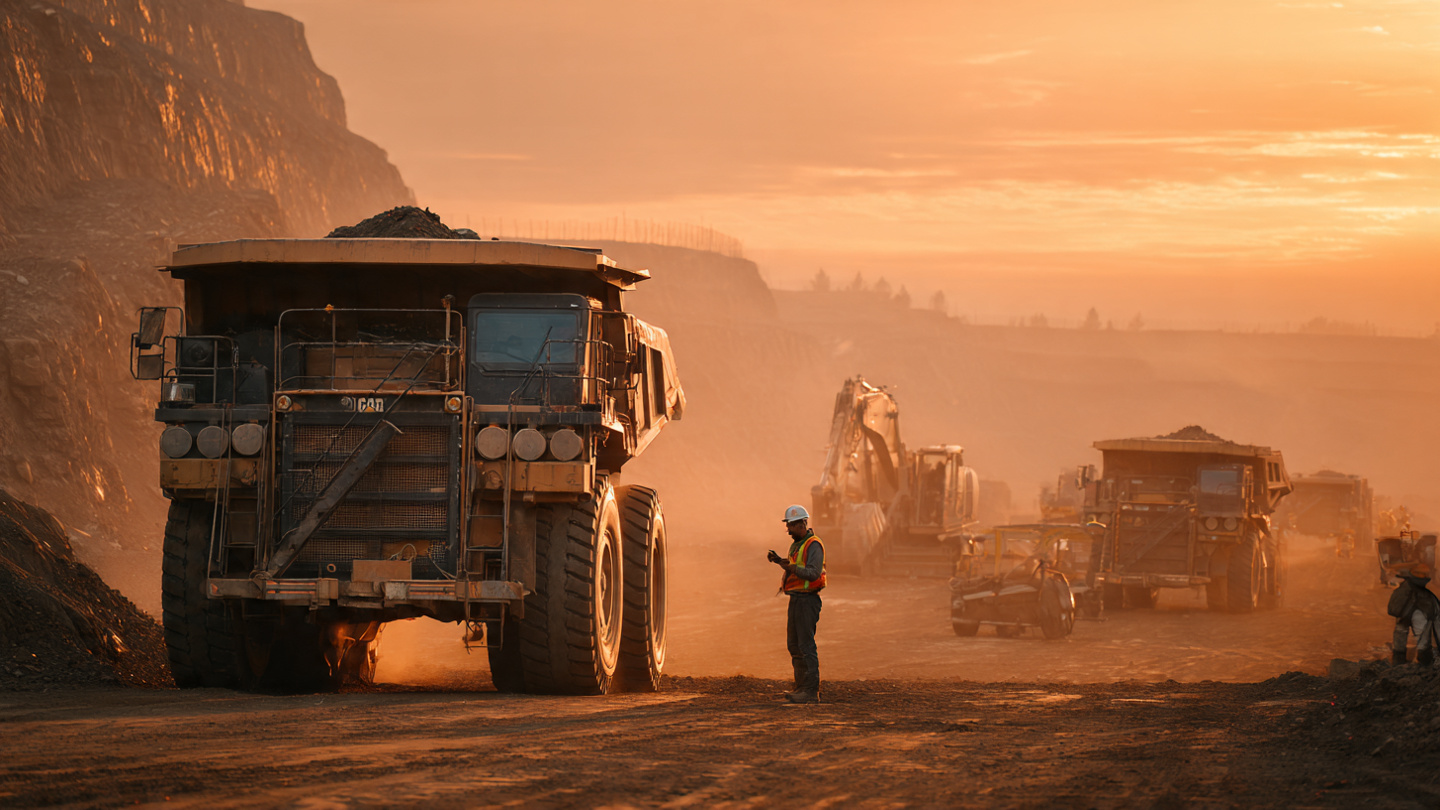
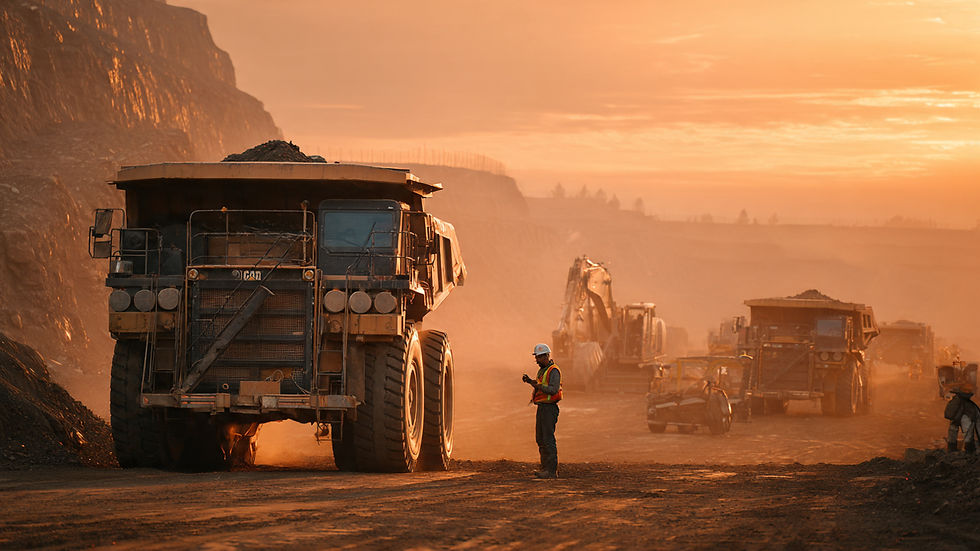
When a machine goes down on a mining site or a construction project, every hour of downtime carries a real cost — delayed schedules, idle crews, contractual penalties. The instinct is to call the local dealer. It's the "official" channel. It feels safe.
But for critical, hard-to-find, or high-volume parts, local dealers fail more often than the industry likes to admit. Understanding why — and knowing your alternatives — is one of the most practical things a procurement or maintenance team can do.
The Dealer Model Was Never Designed for Your Emergency
Authorized dealerships are built around equipment sales, warranty service, and fast-moving maintenance items. Their stocking logic follows demand curves: what sells regularly in their territory gets stocked. What doesn't, doesn't.
This works well for air filters, belts, and scheduled-maintenance items. It breaks down the moment you need a hydraulic pump for a Komatsu PC2000 or a remanufactured engine for a CAT 777 haul truck operating at a remote site.
Parts unavailability has been shown to cause 20–40% of unplanned equipment downtime in heavy industries. The dealer isn't failing you out of negligence — the system simply wasn't designed for low-frequency, high-criticality needs.
Four Specific Ways Dealers Fall Short
1. Territory-Based Inventory
Dealers stock for their region. If the machine model is rare in their territory or was recently discontinued, the part isn't on their shelf. Ordering through the OEM supply chain can take weeks — sometimes months for components sourced from overseas manufacturing.
2. Single-Brand Walls
An authorized CAT dealer cannot source you a Komatsu undercarriage component. A Volvo dealer won't help you with a Cummins engine issue. Mixed fleets — which are the norm, not the exception, on large mining and construction sites — create a fragmented supplier landscape that multiplies lead times and administrative overhead.
3. Exclusive Agreement Lock-In
Dealer contracts often include preferred supplier clauses that appear cost-effective on paper. In practice, they leave buyers locked out of alternatives when the dealer has a stockout, a supply chain delay, or simply a pricing structure that doesn't reflect the urgency of the situation.
4. Part Number Confusion and Catalog Gaps
OEM parts catalogs are updated continuously. Superseded part numbers, value-engineered components, and regional variants create persistent confusion. Dealers in distant markets often work with catalog versions that don't reflect the latest updates, leading to wrong orders and further delays.
What to Do Instead
Switching away from local dealers entirely isn't always the answer. For routine maintenance items and warranty work, the dealer relationship makes sense. The gap to fill is critical and hard-to-find components — this is where a multi-brand independent supplier provides clear advantages.
Here's what to look for:
Multi-brand sourcing capabilityThe supplier should be able to cover CAT, Komatsu, Cummins, Volvo, Hitachi, and other brands from a single point of contact. Mixed fleet operators shouldn't be running separate procurement processes for each equipment brand.
Technical part identificationA good independent supplier will work from a part number, a machine serial, or even a photograph. This matters because many field requests arrive without clean documentation — especially on older machines or recently acquired equipment with incomplete records.
Honest availability forecastingBefore you commit to an order, you need to know whether the part is in stock, when it ships, and what the realistic lead time is. A supplier that gives you a confident "yes" before verifying availability creates a second problem on top of the first.
Cross-border capabilityFor operations in Russia, Kazakhstan, and other markets with complex import logistics, the supplier's ability to move parts across borders — with appropriate payment routes and documented shipment terms — is not a secondary concern. It's a primary qualification.
A Practical Checklist for Evaluating an Alternative Supplier
Before placing your first critical order with a new supplier, ask:
Do they cover my full fleet (multiple brands)?
Can they identify parts without a clean part number?
Do they confirm availability before quoting lead time?
Do they have references in my operating region?
What are their payment options for cross-border transactions?
What happens if a part is wrong or damaged on arrival?
A supplier that answers these questions clearly — without deflecting — is a supplier worth testing on a low-risk order before trusting with something critical.
The Underlying Problem Is Structure, Not Effort
Local dealers aren't failing because their teams are incompetent. They're operating within a structural constraint: single-brand authorization, territory-based stocking, and a business model optimized for volume sales rather than emergency procurement.
For critical parts — the ones where delay has a direct operational cost — the solution is to build a parallel sourcing channel before you need it. Qualifying a reliable independent supplier during a routine procurement period is far less costly than trying to find one at 2 AM when a machine is down.
Mash-Link is a multi-brand heavy equipment parts supplier covering CAT, Komatsu, Cummins, Volvo, Hitachi, and 10+ other brands. We source rebuilt engines, hydraulic components, undercarriage systems, and filtration across mining, construction, and power generation sectors.

Комментарии